News & Updates
Latest news, product launches, and industry insights.
October 13, 2026
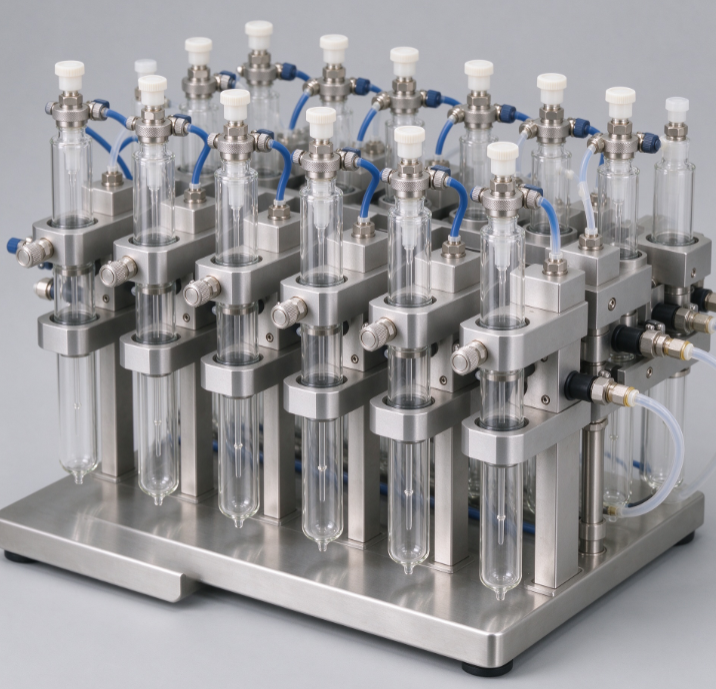
Multi Position Parallel Reactor: Features, Performance and Industrial Uses
Read more →
October 13, 2026
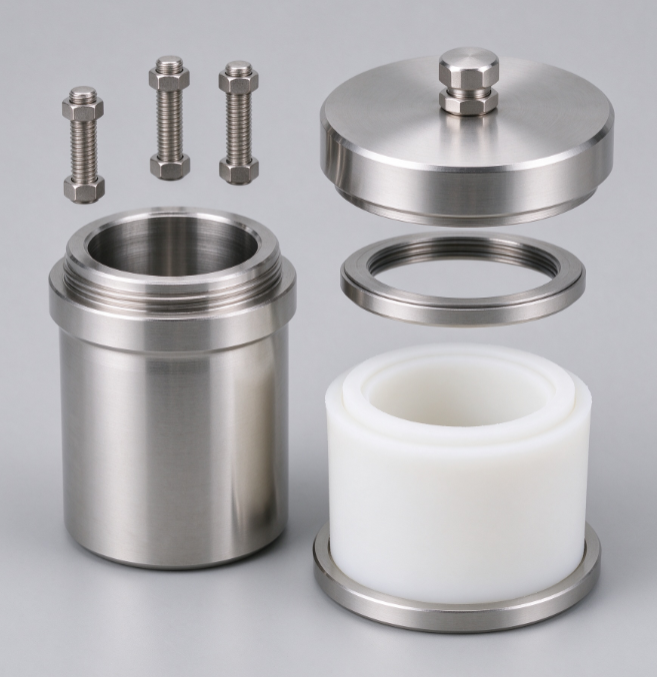
Hydrothermal Synthesis Reactor: Types, Parameters and Lab Application Guide
Read more →
September 20, 2026
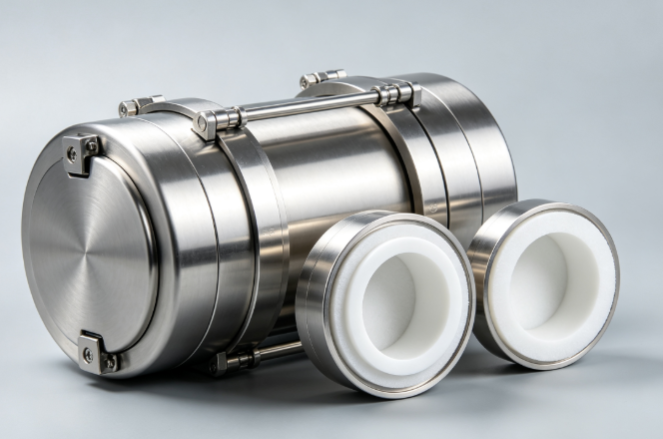
Hydrothermal Synthesis Reactor: Specs, Liner Types and Lab Applications
Read more →
September 20, 2026
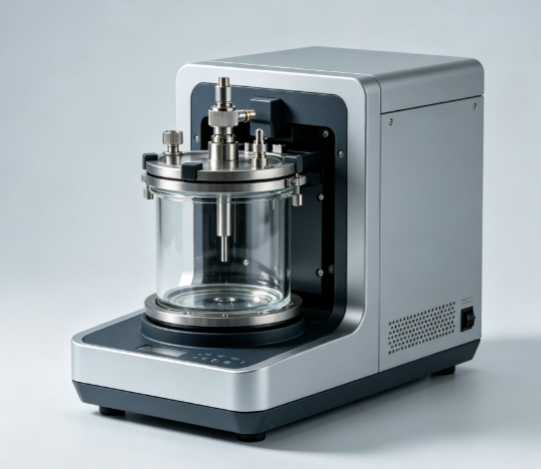
Self-Pressure-Relief Microwave Reactors – Unlocking Safe and Efficient Chemical Synthesis
Read more →
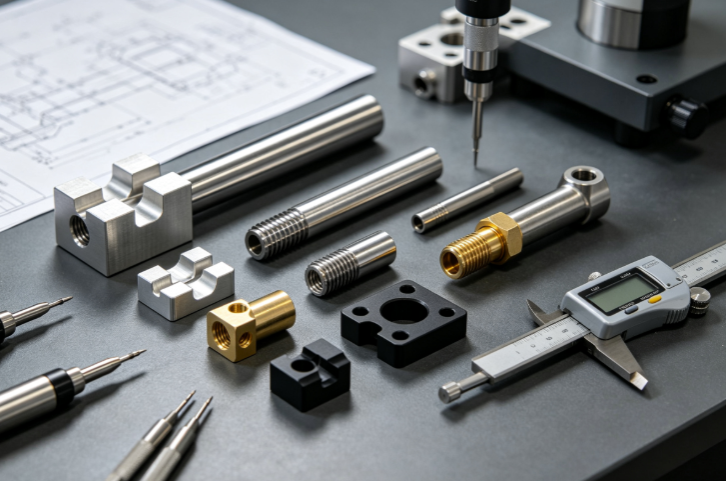
August 11, 2026
Full Drawing Custom Machined Parts, Strictly Follow Customer CAD Drawings, Meet Special Assembly Space & Precision Tolerance Requirements
Read more →
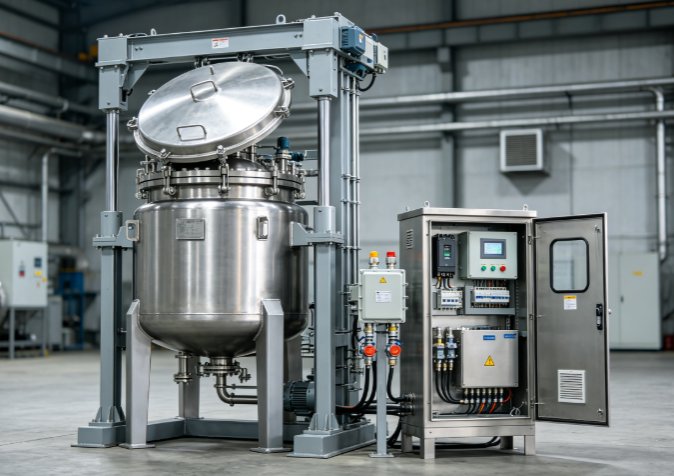
August 11, 2026
Can We Customize Explosion-Proof Control Cabinet And Long Lift Stroke For Large Volume Reactor
Read more →
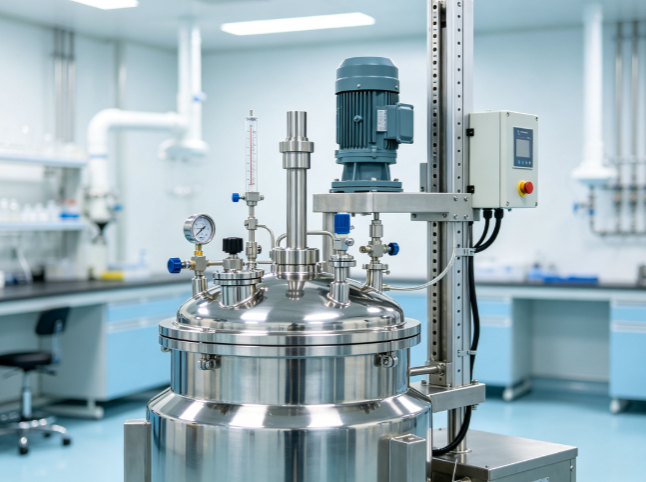
August 11, 2026
5 Common Sourcing Mistakes When Selecting Electric Lifting Reactor For Pharmaceutical Pilot Workshop
Read more →
July 11, 2026
Magnetic Coupling Technology Principle of Magnetic Stirring Reactor: How Non-contact Stirring Realizes Zero Leakage and High-efficiency Mixing Engineering Design
Read more →
July 11, 2026
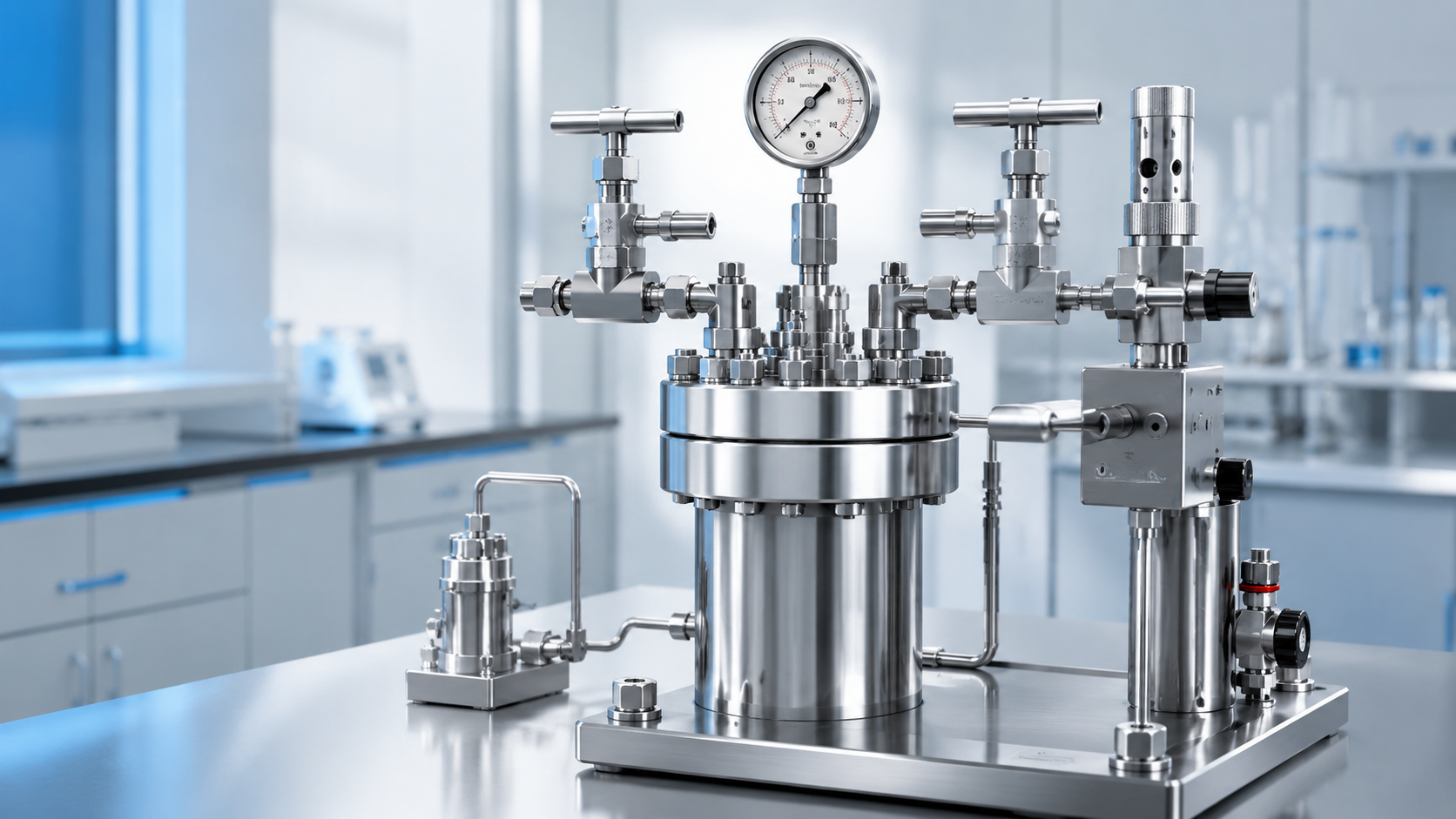
Detailed Explanation of High-Pressure Reactor Safety System Design: Technical Analysis of Dual-Valve Structure, Automatic Pressure Relief Mechanism, and Pressure Threshold Setting
Read more →
June 18, 2026
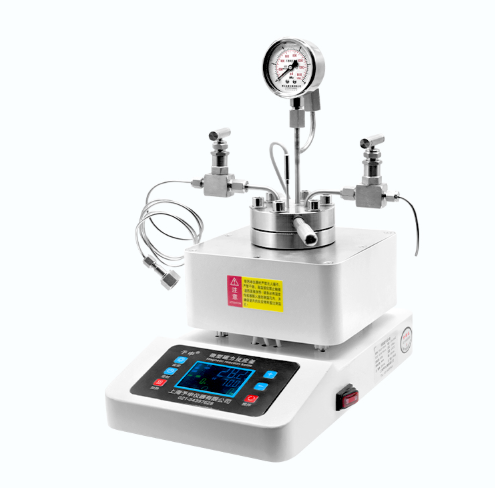
Zero-leakage technology for magnetic stirring reactors: Application optimization of non-contact magnetic coupling sealing principle and intelligent temperature control system
Read more →
June 18, 2026
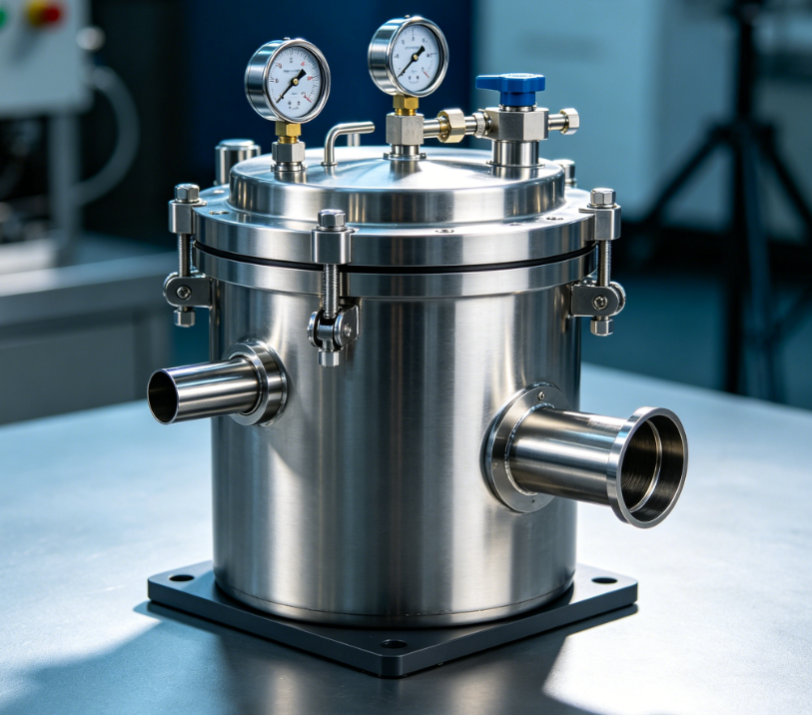
Hydrothermal Synthesis for Nanomaterial Preparation: Complete Experimental Protocol from Reactor Design, Temperature and Pressure Control to Product Characterization
Read more →
May 14, 2026
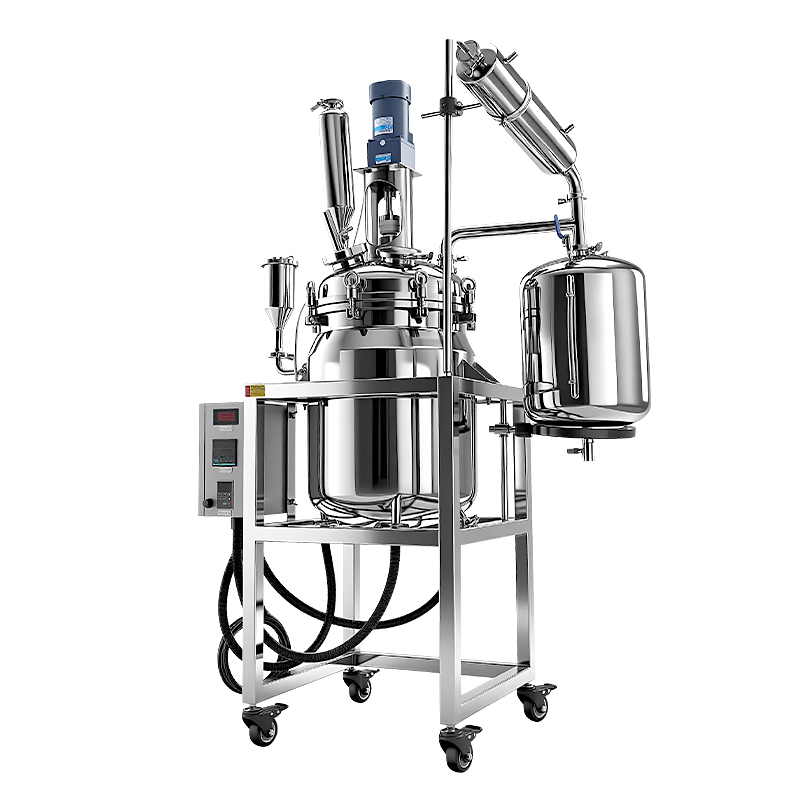
Hydrothermal Synthesis Reactor Selection Guide: From PTFE Lining to Stainless Steel Shell to Temperature and Pressure Control Parameter Optimization
Read more →
May 13, 2026
Hydrothermal Synthesis Reactor Selection Guide: From PTFE Lining to Stainless Steel Shell to Temperature and Pressure Control Parameter Optimization
Read more →
May 13, 2026
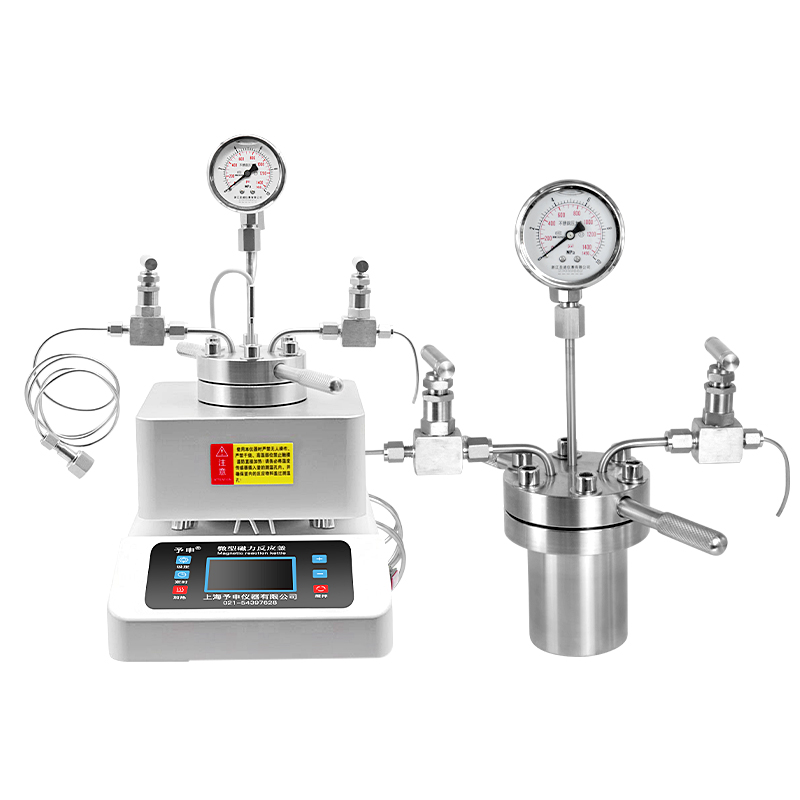
Table of Contents 1.High-Pressure Reactor Safety: The Core of Laboratory Safe Reaction Equipment 2.Dual-Valve System: The First Line of Defense for High-Pressure Reactor Safety 3.Reactor Automatic Pressure Relief: Key Protection Against Overpressure 4.Real-Time Pressure Monitoring: Core Means of Safety Early Warning 5.Integrated Safety System Construction of Laboratory Safe Reaction Equipment 6.Performance Comparison of Key Safety Components 7.Industry-Related FAQs 1. High-Pressure Reactor Safety: The Core of Laboratory Safe Reaction Equipment High-pressure reactors are essential equipment in chemical, pharmaceutical, and material science laboratories. They operate under extreme pressure and temperature conditions, making high-pressure reactor safety a top priority for laboratory operations. According to the U.S. Chemical Safety and Hazard Investigation Board (CSB), uncontrolled pressure and temperature in reactors have led to catastrophic accidents. A 2007 explosion at a Florida chemical company, for example, killed four workers and injured a dozen more, with the reactor’s 3-inch-thick steel walls ruptured by pressure reaching several thousand pounds per square inch. Laboratory safe reaction equipment, especially high-pressure reactors, requires a comprehensive safety system to prevent such disasters. This system mainly consists of three core components: dual-valve system, reactor automatic pressure relief, and real-time pressure monitoring. Together, they form a multi-layered safety barrier. 2. Dual-Valve System: The First Line of Defense for High-Pressure Reactor Safety 2.1 Working Principle of Dual-Valve System The dual-valve system, also known as the safety dual valve, is an integrated control component with two independent and linked valve cores in the same valve body. It adopts a redundant design, which means both valves must act simultaneously to maintain normal operation. During normal operation, both solenoid valves are energized, and the pilot pressure pushes the dual main valve cores to switch synchronously, ensuring the reactor’s pressure is stable. If either valve fails—such as coil burnout or valve core jamming—the other valve cannot establish effective pressure alone, and the system immediately enters a safe shutdown state. 2.2 Safety Advantages and Performance Data of Dual-Valve System The biggest advantage of the dual-valve system is its high safety redundancy, which eliminates accidents caused by single-point failures. Its failure exhaust time is as short as 0.05 to 0.07 seconds, much faster than traditional single-valve systems. Statistics show that laboratories using dual-valve systems have a 92% lower risk of pressure leakage accidents compared to those using single-valve systems. This data is verified by industrial safety tests conducted by multiple authoritative institutions. 3. Reactor Automatic Pressure Relief: Key Protection Against Overpressure 3.1 Trigger Mechanism of Automatic Pressure Relief System The reactor automatic pressure relief system is a critical active protection device designed to prevent overpressure. Its core function is to automatically and quickly release pressure without manual intervention when the internal pressure exceeds the preset safety threshold. The system usually sets multiple pressure thresholds, including early warning threshold, action threshold, and emergency cutoff threshold. The action threshold is generally set to 105% to 110% of the reactor’s maximum allowable working pressure (MAWP), leaving sufficient safety margin. When the pressure exceeds the action threshold, the system immediately activates the actuator—usually a pilot-operated safety valve or electromagnetic pressure relief valve—to release pressure rapidly, preventing the reactor from rupturing. 3.2 Performance of Automatic Pressure Relief System The response time of a high-quality automatic pressure relief system is typically within 100 milliseconds, and some advanced models can even reach 2 milliseconds, ensuring that pressure is released in time before dangerous levels are reached. Unlike traditional manual pressure relief methods, the automatic system avoids human error caused by delayed operation. In fact, 80% of overpressure accidents in laboratories are related to delayed manual pressure relief, according to a survey by the European Laboratory Safety Association (ELSA). 4. Real-Time Pressure Monitoring: Core Means of Safety Early Warning 4.1 Technical Principle of Real-Time Pressure Monitoring Real-time pressure monitoring is the "eye" of the high-pressure reactor safety system. It uses high-precision pressure sensors—such as piezoelectric or strain gauge sensors—to collect dynamic pressure signals inside the reactor in real time. The collected signals are filtered and amplified by a signal conditioning circuit, then sent to a safety controller for millisecond-level comparison with preset thresholds. If the pressure changes abnormally, the system will issue an alarm immediately and trigger the automatic pressure relief system if necessary. 4.2 Monitoring Accuracy and Response Performance The monitoring accuracy of professional real-time pressure monitoring systems can reach ±0.1 psi, which is sufficient to detect subtle pressure changes that may lead to dangerous situations. The data transmission delay is less than 50 milliseconds, ensuring that operators can grasp the reactor’s pressure status in real time. For laboratories dealing with flammable and explosive materials, real-time pressure monitoring is particularly important. It can predict pressure surges in advance, providing valuable time for operators to take emergency measures. 5. Integrated Safety System Construction of Laboratory Safe Reaction Equipment 5.1 Coordinated Work Logic of Multi-Systems The safety of high-pressure reactors cannot rely on a single component. The dual-valve system, automatic pressure relief, and real-time pressure monitoring work together to form a complete safety guarantee system. The real-time pressure monitoring system acts as the first warning line, detecting abnormal pressure changes. The dual-valve system maintains stable pressure during normal operation and cuts off the system in case of failure. The automatic pressure relief system is the last line of defense, preventing overpressure accidents when other systems fail. 5.2 Safety Standards and Application Cases Laboratory safe reaction equipment, including high-pressure reactors, must comply with relevant international standards. For example, China’s national standard GB/T 32708-2016 specifies strict safety requirements for laboratory reactors, covering pressure resistance, temperature limits, and interlock protection. A pharmaceutical laboratory in Germany upgraded its high-pressure reactor safety system with the three core components mentioned above. After one year of operation, the number of safety hidden dangers decreased by 95%, and no pressure-related accidents occurred. 6. Performance Comparison of Key Safety Components Safety Component Response Time Failure Rate Safety Improvement Rate Dual-Valve System 0.05-0.07s 0.3% 92% Automatic Pressure Relief System 2ms-100ms 0.5% 88% Real-Time Pressure Monitoring ≤50ms 0.2% 90% Traditional Single-Valve System 0.5-1s 8.7% 45% 7. Industry-Related FAQs Q1: What is the core difference between a dual-valve system and a single-valve system? A1: The dual-valve system adopts a redundant design with two independent valve cores. Both valves must act simultaneously to work normally, and any valve failure will trigger a safe shutdown. The single-valve system has only one valve core, which is prone to single-point failures, leading to pressure leakage or overpressure. Q2: What is the reasonable setting range for the action threshold of the automatic pressure relief system? A2: The action threshold is generally set to 105% to 110% of the reactor’s maximum allowable working pressure (MAWP). This setting can avoid false triggering caused by slight pressure fluctuations and ensure that pressure is released in time before reaching dangerous levels. Q3: How often should the real-time pressure monitoring system be calibrated? A3: It is recommended to calibrate the system every 6 months. For laboratories dealing with highly dangerous materials, calibration should be carried out every 3 months to ensure monitoring accuracy. Calibration should be performed by professional institutions in accordance with relevant standards. Q4: Can the three core safety components work independently? A4: They can work independently, but the safety effect will be greatly reduced. The real-time pressure monitoring system can only issue alarms, the dual-valve system can only maintain normal pressure and cut off failures, and the automatic pressure relief system can only release overpressure. Only when they work together can a comprehensive safety barrier be formed.
Read more →
April 28, 2025
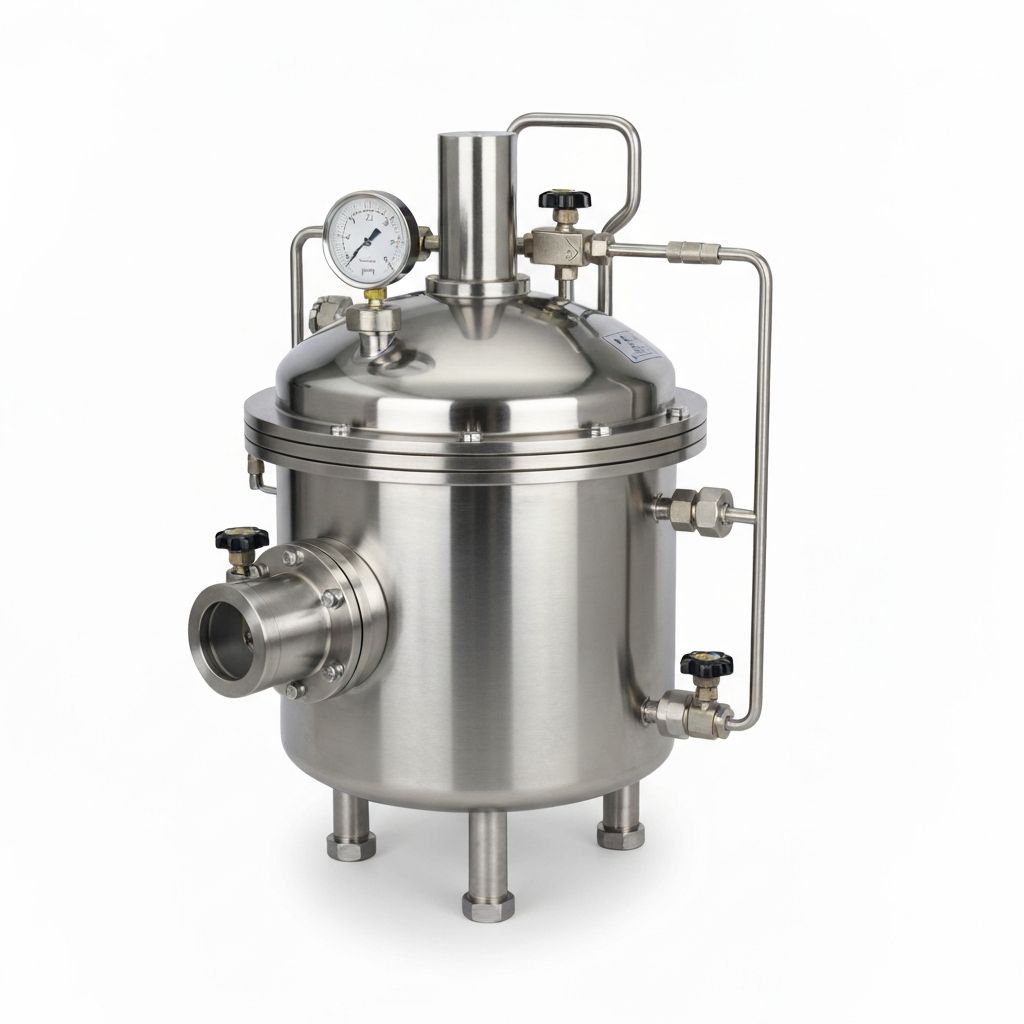
Inside the Pressure Vessel: What Actually Matters When Specifying a Lab-Scale High-Pressure Reactor
A comprehensive guide to selecting the right high-pressure reactor for your laboratory. From material selection to safety features, learn the five critical dimensions that drive smart reactor specification — and avoid costly mistakes.
Read more →
April 21, 2025
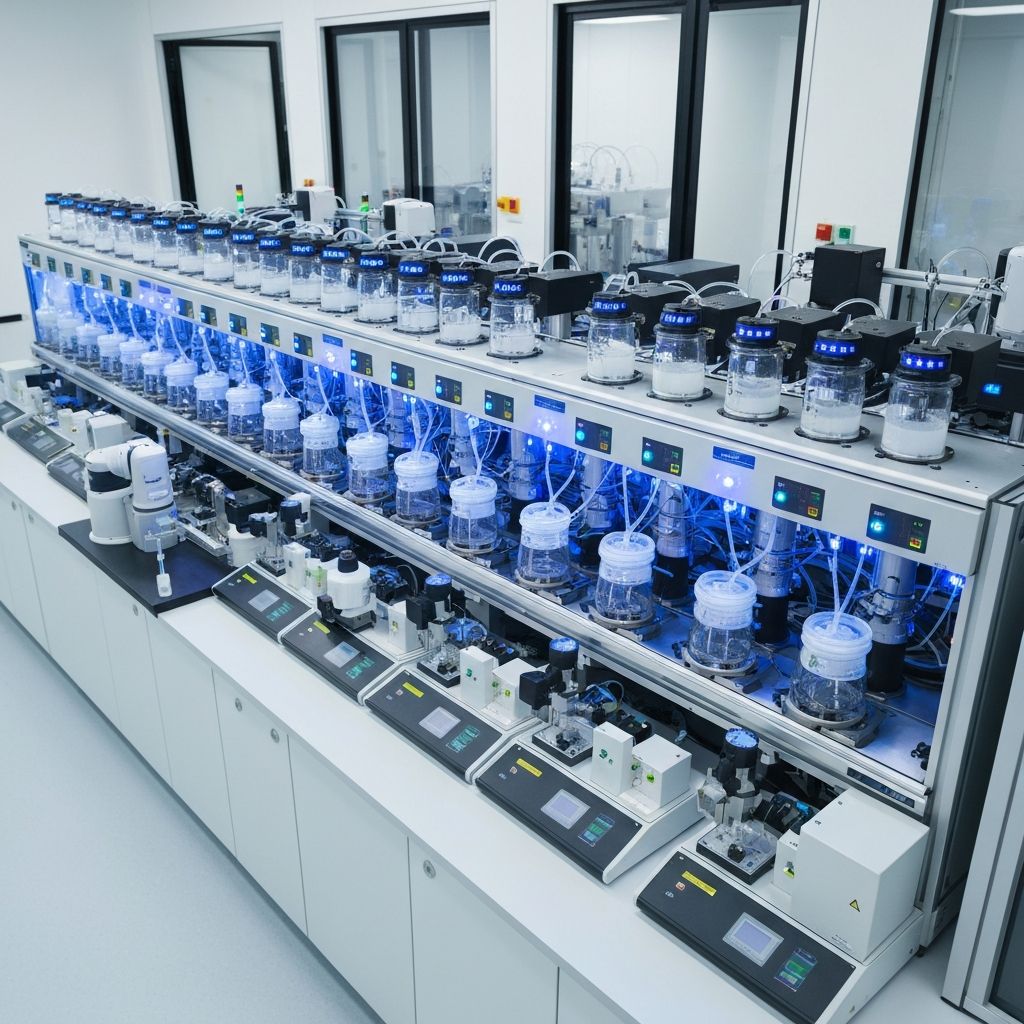
Accelerating Drug Discovery Timelines: A Deep Dive into High-Throughput Parallel Reactor Technology
Discover how parallel reactor systems are revolutionizing pharmaceutical R&D by transforming months of sequential experimentation into days of parallel optimization. Learn why Eroom's Law demands a new approach.
Read more →
April 14, 2025
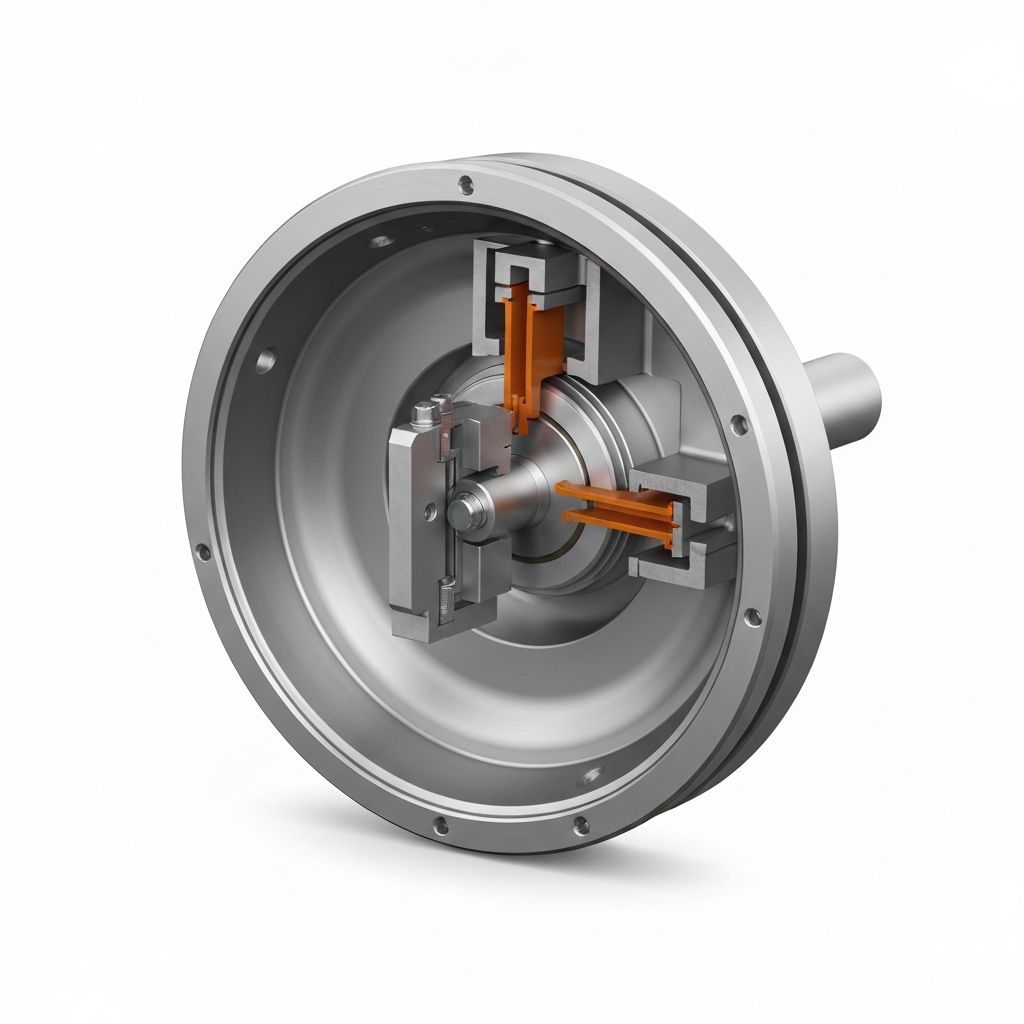
Zero Leakage, Total Control: Understanding Magnetic Coupling Technology in Precision Stirring
Learn how magnetic coupling stirrer technology eliminates shaft seal failures and provides absolute containment for hazardous, sterile, and high-pressure applications. Discover the engineering principles, material considerations, and operating envelope that make seal-less stirring the gold standard.
Read more →
April 7, 2025
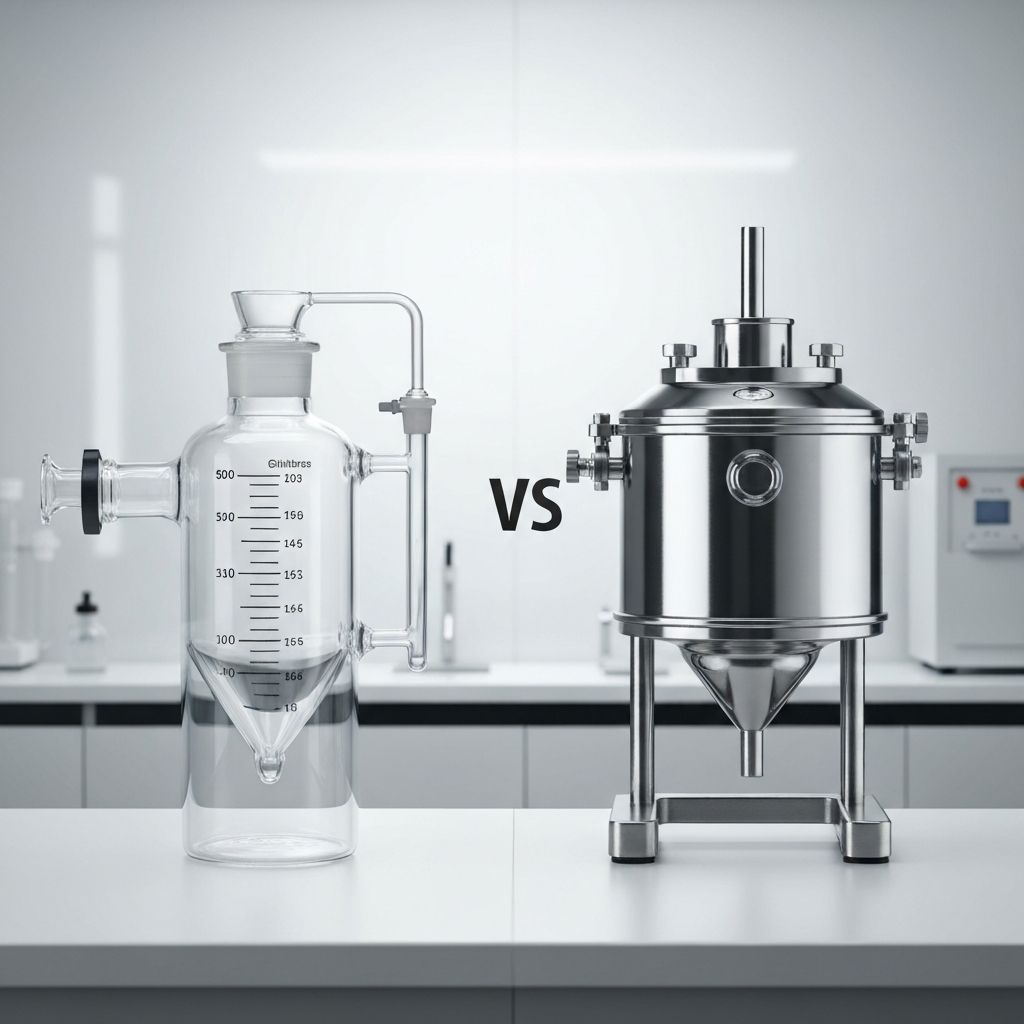
Glass vs. Stainless Steel Reactors: How to Match Vessel Material to Your Chemical Process
A comprehensive guide to selecting the right reactor material. Understand chemical compatibility, pressure and temperature limits, cost considerations, and application-specific recommendations for glass, stainless steel, and glass-lined reactors.
Read more →
March 31, 2025
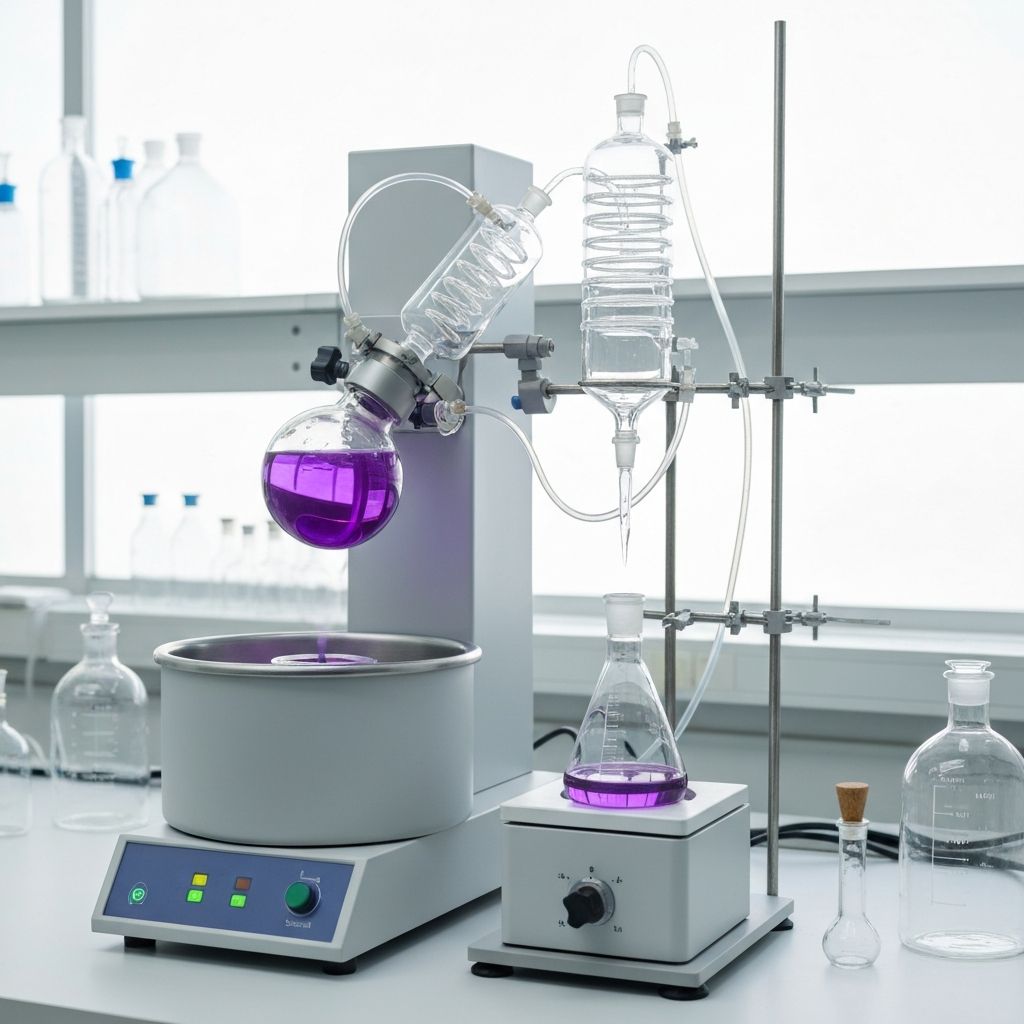
Mastering the Synergy of Vacuum, Temperature, and Rotation for Superior Solvent Recovery
Optimize your rotary evaporator performance by understanding the interplay between vacuum, temperature, and rotation speed. Learn the Delta 20 principle and practical techniques for efficient, gentle solvent removal.
Read more →
March 24, 2025
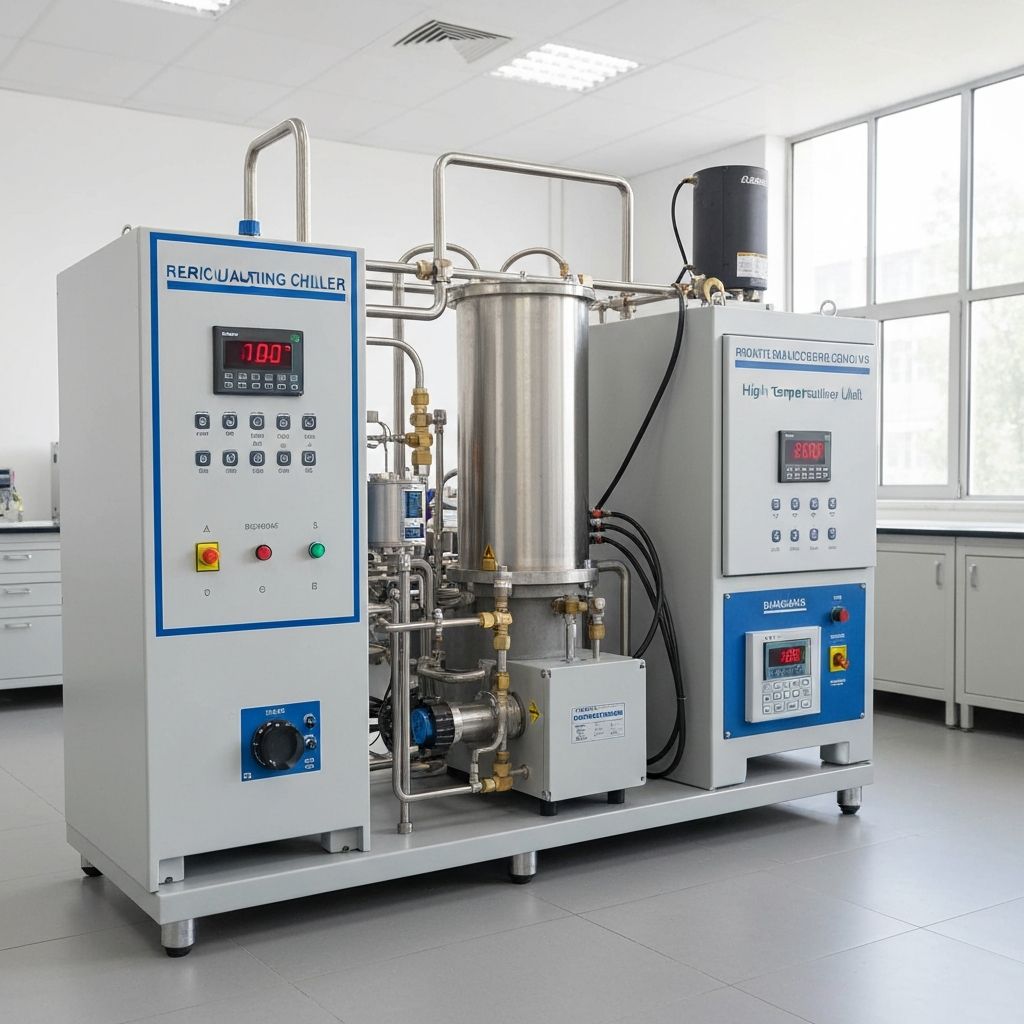
Mastering Wide-Temperature Chemistry: The Technical Case for Integrating Recirculating Chillers with High-Temperature Oil Baths
Explore how integrated temperature control systems combining chillers and oil baths can dramatically improve research productivity and experimental precision across wide temperature ranges from -80°C to +250°C.
Read more →