Table of Contents
1. Industrial Reactor Sealing Pain Points
2. Working Principle of Magnetic Coupling Sealing
3. Non-Contact Stirring Core Advantages
4. Zero Leakage Technology Implementation Logic
5. Intelligent Temperature Control System Functional Optimization
6. Performance Data Comparison of Sealing and Stirring Solutions
7. Practical Application Optimization Strategies
8. Industry FAQ
1. Industrial Reactor Sealing Pain Points
Traditional industrial stirring reactors use mechanical dynamic sealing structures. Shaft rotation and friction cause continuous wear on sealing parts.
Frequent leakage problems happen in high pressure and high temperature reaction environments. It leads to material loss and safety hazards.
Frequent seal replacement increase equipment downtime and maintenance costs. It affect continuous industrial production efficiency.
Magnetic stirring reactor solve these industry pain points perfectly. Magnetic coupling sealing and non-contact stirring realize stable zero leakage operation.
2. Working Principle of Magnetic Coupling Sealing
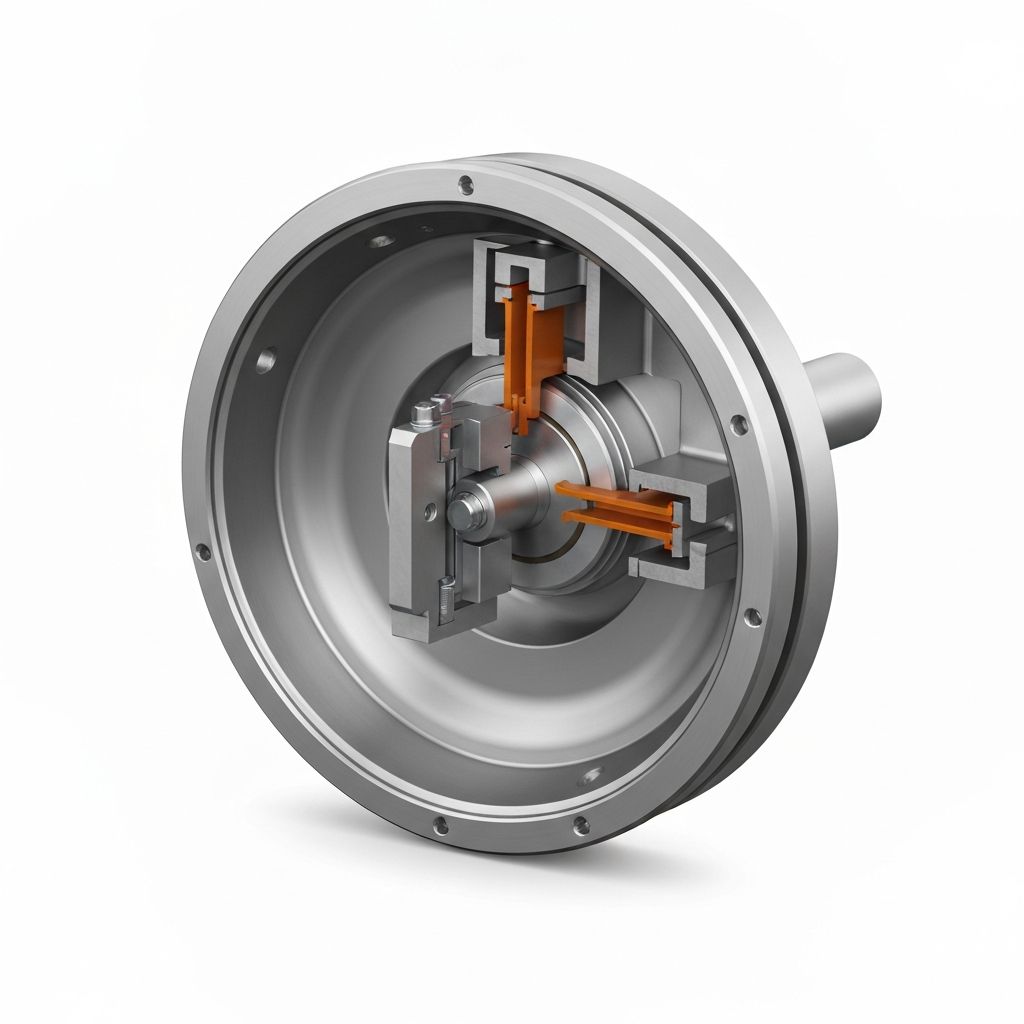
Magnetic coupling sealing abandon traditional physical shaft penetration design. It use internal and external permanent magnet groups for torque transmission.
The external motor drives the outer magnetic ring to rotate. Magnetic field force drive the inner magnetic ring and stirring impeller to run synchronously.
A fixed isolation sleeve separate the internal and external magnetic parts. It turn dynamic sealing into full static sealing structure.
This structure have no friction gap during operation. It lay the core foundation for reactor zero leakage technology.
3. Non-Contact Stirring Core Advantages
Non-contact stirring is the core working mode of magnetic stirring reactor. No physical contact between driving parts and stirring components.
Mechanical friction loss is completely eliminated. Equipment operation noise and vibration are significantly reduced.
Stirring speed output more stable. It avoid stirring dead zones and uneven mixing caused by mechanical jitter.
The whole stirring process keep closed state. It suit sterile, toxic and high-purity chemical reaction scenarios.
4. Zero Leakage Technology Implementation Logic
Zero leakage technology relies on static magnetic coupling sealing structure. No rotating shaft pass through the reactor tank body.
All tank openings keep fully sealed. No gap exist for gas or liquid medium to overflow.
Industry test data show qualified magnetic sealing structure maintain leakage rate below 1×10⁻⁶ Pa·m³/s. It achieve true full zero leakage effect.
This technology work stably under 20MPa high pressure and 350℃ high temperature extreme working conditions.
5. Intelligent Temperature Control System Functional Optimization
Reaction temperature decide chemical reaction efficiency and product quality. Manual temperature adjustment have large error and poor real-time performance.
Intelligent temperature control system match with magnetic stirring reactor to realize automatic temperature monitoring and adjustment.
The system collect real-time temperature data inside the tank. It adjust heating and cooling power automatically.
It keep reaction temperature fluctuation within ±0.5℃. It greatly improve reaction stability and product qualification rate.
The system support parameter preset and data recording. It meet standardized production and traceability requirements.
6. Performance Data Comparison of Sealing and Stirring Solutions
The following test data comes from industrial reactor sealing performance detection standard and chemical equipment operation monitoring report. It compares traditional mechanical sealing and magnetic coupling sealing solutions.
Performance Index | Traditional Mechanical Sealing Reactor | Magnetic Stirring Reactor (Magnetic Coupling Sealing) |
Medium Leakage Rate | ≥1×10⁻³ Pa·m³/s | ≤1×10⁻⁶ Pa·m³/s (Zero Leakage) |
Maximum Working Pressure | ≤10MPa | ≤20MPa |
Maximum Working Temperature | ≤200℃ | ≤350℃ |
Temperature Control Fluctuation Range | ±2.0℃ | ±0.5℃ |
Annual Maintenance Frequency | 8-12 times | 1-2 times |
Data fully prove that magnetic coupling sealing and non-contact stirring technology have obvious advantages. Matching intelligent temperature control system further enhance the overall performance of the magnetic stirring reactor.
7. Practical Application Optimization Strategies
Set reasonable stirring speed parameters according to reaction medium viscosity. Non-contact stirring avoid medium stratification effectively.
Calibrate intelligent temperature control system regularly. Ensure temperature sensing and adjustment accuracy in long-term operation.
Keep magnetic coupling sealing parts clean. No impurity adhesion affect magnetic field transmission efficiency.
This collaborative optimization maximize the value of zero leakage technology in chemical, pharmaceutical and new energy reaction production.
8. Industry FAQ
Q1: What is the core advantage of magnetic coupling sealing compared with mechanical sealing?
A1: Magnetic coupling sealing change dynamic seal to static seal. It realize zero leakage operation. No friction wear, lower maintenance cost and longer service life than traditional structures.
Q2: How does non-contact stirring improve reactor production stability?
A2: It eliminate mechanical friction and shaft vibration. Stirring speed is stable. It avoid reaction unevenness caused by equipment jitter, and ensure consistent product quality.
Q3: Can intelligent temperature control system adapt to high-temperature and high-pressure reaction scenarios?
A3: Yes. The system support real-time precision temperature adjustment under 350℃ and 20MPa working conditions. It keep tiny temperature fluctuation and meet high-standard reaction requirements.
Q4: What industries are magnetic stirring reactors suitable for?
A4: It widely used in fine chemical, biopharmaceutical, new energy material and food processing industries. Zero leakage and sterile features fit high-purity and safe reaction production needs.